Blew Over the Limit in Kent County? Why a Failed Breathalyzer Doesn't Mean an Automatic Conviction
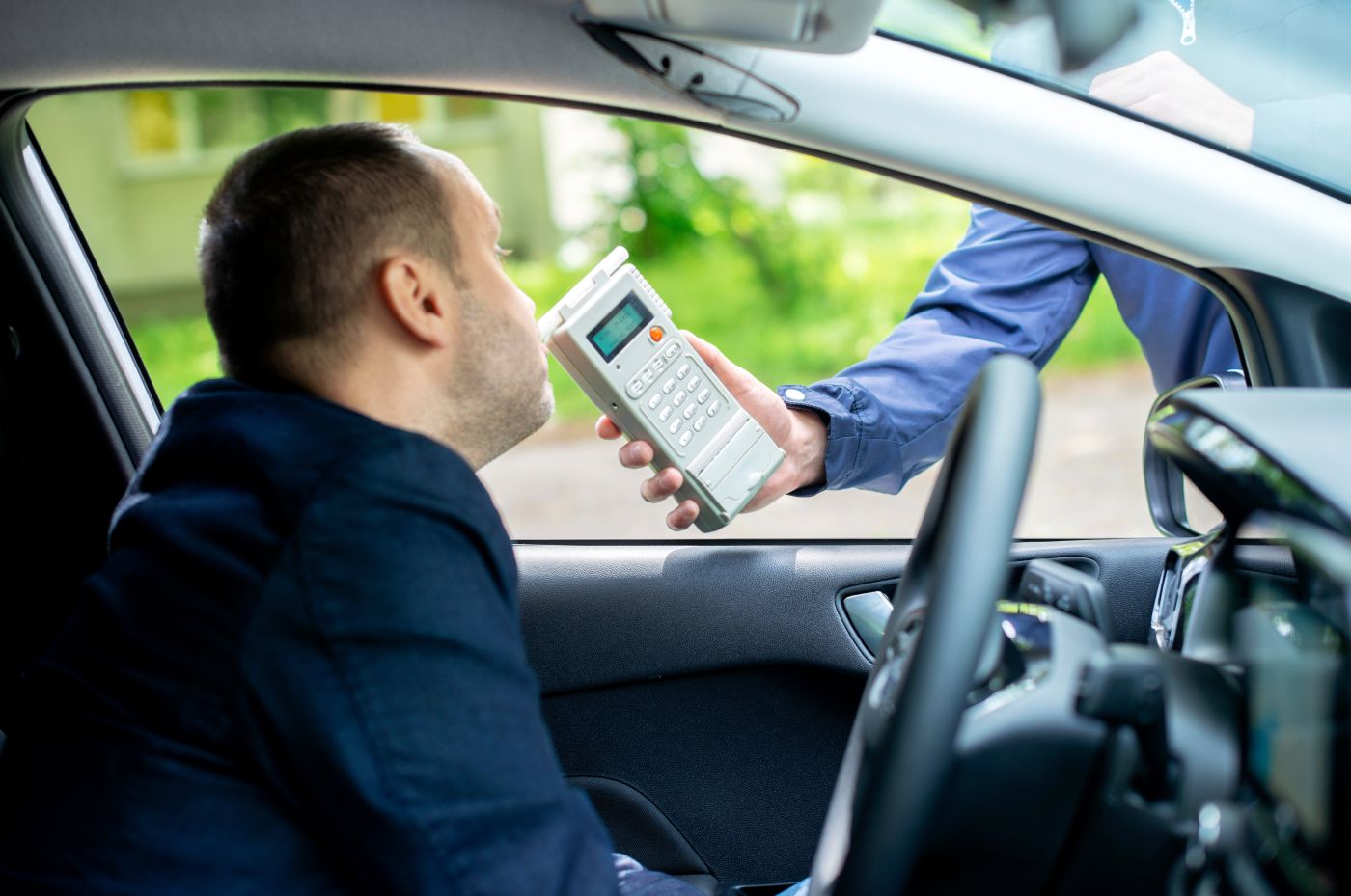
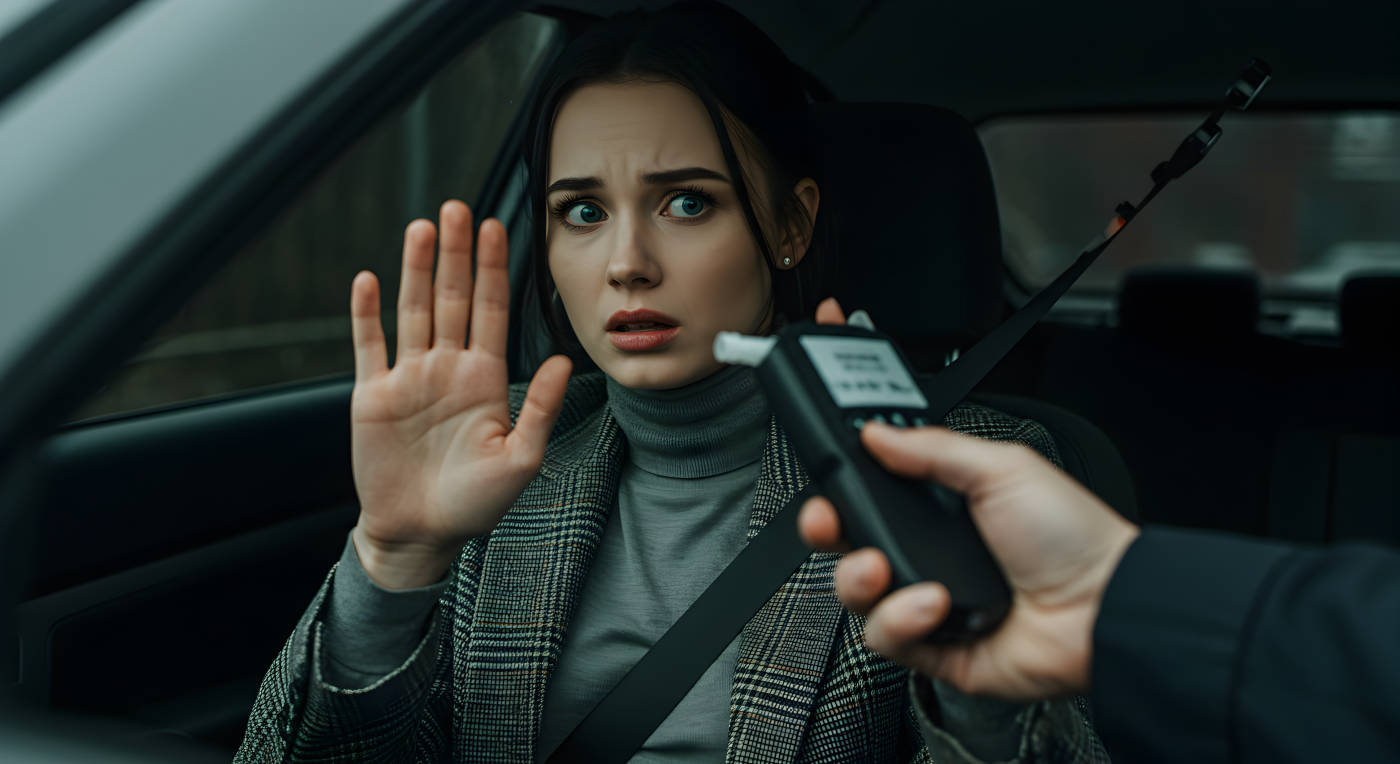
Seeing a breathalyzer result above Michigan's legal limit can be frightening, especially when you're already worried about losing your driver's license, facing criminal penalties, or dealing with the personal and professional consequences of a DUI charge.
You may feel as though a number displayed on a device has already decided your future. That's not necessarily the case. A failed breath test can be important evidence, but it doesn't automatically establish every element the prosecution must prove, and you still have rights throughout the criminal process.
At West Michigan Defense Team, we help people facing DUI allegations in Grand Rapids, Kent County, and communities throughout Western Michigan. Our firm also serves Kalamazoo, Holland, Grand Haven, and Muskegon.
If you've been accused of driving over the limit in Kent County, contact our DUI lawyers at West Michigan Defense Team to discuss your situation and learn what steps may be available to you.
A breathalyzer result can provide evidence concerning alcohol concentration, but a DUI prosecution generally involves much more than a single reading. Prosecutors may need to establish that the traffic stop was lawful, that the testing procedure was properly conducted, and that the evidence satisfies applicable legal requirements.
The circumstances surrounding the alleged offense can also matter. Police may have observed driving behavior, administered field sobriety tests, asked questions, or collected other evidence. Each part of the encounter may affect how the case is evaluated.
A failed breathalyzer test doesn't automatically eliminate questions about whether the device functioned correctly or whether proper procedures were followed. Depending on the type of test used, different rules may apply to collecting, maintaining, operating, and interpreting the evidence.
DUI lawyers can review the available evidence and identify issues that may warrant further investigation. They can also help you understand the difference between an administrative consequence involving your driving privileges and the separate criminal case.
Breath testing depends on equipment, procedures, and the circumstances under which a test is administered. If any part of that process raises questions, the result may warrant closer examination.
Law enforcement agencies use particular protocols for alcohol testing. Officers may have requirements concerning observation periods, equipment operation, calibration, maintenance, or documentation. The precise requirements can depend on the test and applicable Michigan law.
A DUI lawyer may examine records connected to the instrument and the test itself. That review can help identify whether there are grounds to challenge the reliability or admissibility of the evidence.
Several factors may deserve attention when evaluating a breathalyzer result:
Testing equipment: The type of device used and its maintenance history may matter when assessing the result.
Officer procedures: Questions about whether required testing procedures were followed can affect the evidence.
Timing: The amount of time between driving, the traffic stop, and testing may be relevant to the interpretation of alcohol concentration.
Documentation: Reports and records may reveal inconsistencies or missing information about how testing occurred.
Physical circumstances: Certain conditions surrounding the test may raise questions about the reliability of a particular reading.
A breathalyzer result shouldn't automatically be treated as infallible simply because it produced a numerical reading. DUI lawyers can assess the circumstances surrounding that evidence and determine whether questions about the test may be relevant to your defense.
A DUI case may involve more than breath testing. Officers sometimes administer field sobriety tests and document observations about speech, balance, coordination, driving behavior, or other factors. Prosecutors may use these observations alongside chemical-test evidence.
Field sobriety tests aren't perfect measurements of intoxication. Weather, road conditions, footwear, physical limitations, nervousness, fatigue, medical issues, and other factors may affect performance. An officer's interpretation of a person's behavior may also be subject to scrutiny.
Other evidence can raise questions as well. Dashcam footage, body-camera recordings, witness accounts, police reports, and statements made during the traffic stop may provide important context. Sometimes video evidence may show circumstances that aren't fully reflected in a written report.
You should preserve potentially relevant evidence whenever possible. Don't delete messages, videos, photographs, or other records connected to the incident. If you have questions about what to preserve or request, DUI lawyers can help identify potentially useful materials.
A failed breath test doesn't necessarily erase other evidence that may support your position. Conversely, prosecutors may have evidence beyond the breath test that needs to be addressed. Reviewing the entire record can provide a more complete picture of the allegations.
A breathalyzer result can feel definitive when you're facing a DUI allegation, but a criminal charge isn't the same thing as a conviction. The prosecution still has the burden of proving the case under the applicable legal standard. You have the right to challenge evidence and present a defense.
A failed breathalyzer result doesn't automatically answer every legal question in a DUI prosecution. The circumstances surrounding the stop, the testing process, the officer's conduct, and the rest of the evidence can all matter. DUI lawyers can help you understand what the prosecution must prove and identify issues that may affect your defense.
If you're facing a DUI charge in Kent County, Grand Rapids, Kalamazoo, Holland, Grand Haven, Muskegon, or elsewhere in Western Michigan, you don't have to face the allegations without legal guidance. Contact us at West Michigan Defense Team today to discuss your DUI charge and take the next step toward protecting your rights.